FILM REVIEW: SEND HELP "Send Help isn’t about escaping an island , it’s about surviving the person stranded beside you."
- Suyash Pachauri

- Jan 31
- 4 min read

By Suyash Pachauri | Global Bollywood | Directors Daily Clapboard
Introduction
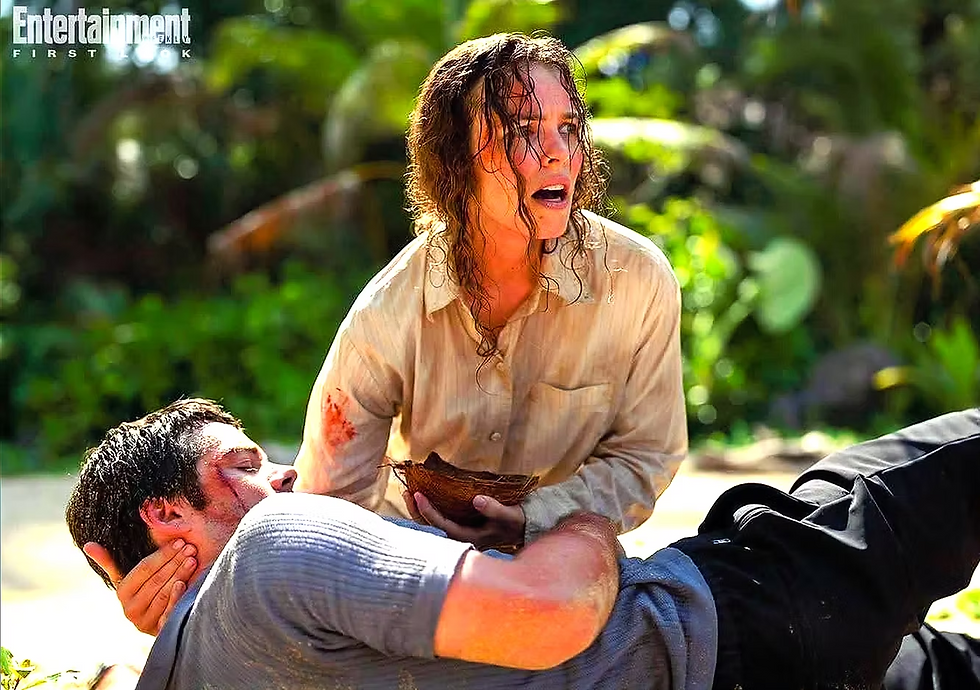
Send Help is a sharply mounted survival thriller that blends dark humor, psychological warfare, and raw human endurance into one relentlessly gripping cinematic experience. Directed by genre maestro Sam Raimi, the film places two ordinary corporate professionals into an extraordinary nightmare after a plane crash leaves them stranded on a remote island. What initially feels like a familiar survival setup soon transforms into a tense battle of personalities, power, and moral boundaries.

Starring Rachel McAdams and Dylan O’Brien, Send Help works less as a spectacle-driven survival drama and more as a deeply intimate two-character study. Raimi strips the narrative down to its emotional core, allowing fear, desperation, and dark wit to carry the story forward. The result is a film that constantly shifts between anxiety and uneasy laughter, reminding viewers that survival is not only about finding food and shelter but also about holding on to sanity when isolation becomes unbearable.

Screenplay & Script Sense
The screenplay is the true engine of Send Help. Instead of relying on large-scale disaster imagery or repetitive survival clichés, the writers focus on sharp, evolving conversations between the two stranded survivors. The script cleverly unfolds in layers, starting as a story of teamwork and gradually morphing into a psychological duel.
What stands out is how the dialogue balances realism with dramatic tension. Every argument, confession, and sarcastic remark serves a narrative purpose. The script constantly questions whether cooperation is truly possible when fear, ego, and hidden resentment begin to surface. The pacing of the screenplay is particularly impressive, as it avoids long stretches of narrative stagnation, something survival films often struggle with.
The emotional arcs feel organic. The characters change in subtle but meaningful ways, and the script allows their transformation to emerge naturally from circumstance rather than forced plot devices.
Direction
Sam Raimi’s direction gives Send Help its distinctive identity. Known for his mastery of visual tension and tonal shifts, Raimi applies his signature style with remarkable restraint here. Instead of flashy horror techniques, he uses silence, awkward pauses, and claustrophobic framing to create discomfort.
The island never feels like a picturesque paradise. Raimi presents it as a psychological trap, a place that slowly dismantles the characters’ emotional stability. His handling of tonal contrast is especially noteworthy. Just when the film leans into despair, a moment of dry, unsettling humor breaks the tension, making the next emotional blow even more powerful.
Raimi’s command over minimalistic storytelling proves that powerful cinema does not require constant spectacle, only absolute control over mood, rhythm, and character.

Acting
The film belongs to Rachel McAdams and Dylan O’Brien, who deliver performances that are both physically demanding and emotionally complex.
McAdams is exceptional in portraying vulnerability layered with emotional resilience. Her performance captures exhaustion, suppressed fear, and stubborn hope with remarkable authenticity. She avoids melodrama and instead grounds her character in subtle emotional shifts, small glances, nervous humor, and restrained breakdowns.
O’Brien brings an unpredictable edge to his role. His character’s gradual psychological unraveling is portrayed with controlled intensity. He balances sarcasm, frustration, and emotional volatility with impressive nuance, making his character both sympathetic and unsettling at the same time.
Together, their chemistry sustains the entire film. The emotional push-and-pull between the two characters becomes the central conflict, often more gripping than the physical danger surrounding them.

Supporting Cast
With the story primarily confined to two characters, the supporting cast appears mostly through brief flashbacks and contextual moments. However, these limited appearances are used effectively to add emotional depth and backstory without interrupting the film’s momentum.
The supporting performances subtly shape the emotional motivations of the lead characters, offering glimpses into their past relationships, professional frustrations, and unfulfilled ambitions. These brief moments help the audience better understand what each character is truly fighting for on the island.
Cinematography
The cinematography plays a crucial role in establishing the film’s unsettling atmosphere. The camera often lingers just a little longer than expected, creating visual discomfort and emphasizing isolation.

Wide shots underline the characters’ helplessness against the vast, hostile environment, while tight close-ups amplify emotional strain. Natural lighting is used effectively, allowing daylight scenes to feel deceptively calm while nighttime sequences heighten vulnerability and fear.
The island is shot with deliberate neutrality, neither romanticized nor exaggerated, making it feel brutally real. The cinematography reinforces the psychological tone of the film, quietly reminding viewers that danger is not always visible.
Music & Background Score
The background score is deliberately understated. Instead of dominating emotional moments, the music creeps in slowly, often relying on minimalistic tones and soft atmospheric layers.
The score intensifies during moments of internal conflict rather than physical danger, aligning perfectly with the film’s psychological focus. Silence is also used as a powerful narrative tool, allowing the weight of isolation and emotional exhaustion to sink in without musical distraction.
This restrained musical approach elevates the tension and enhances the film’s realism.
Editing
The editing maintains a tight narrative grip throughout the film. The transitions between survival sequences, emotional confrontations, and memory-driven flashbacks are smooth and purposeful.

The film avoids unnecessary montage-heavy sequences, choosing instead to allow time to stretch uncomfortably, mirroring the characters’ own experience of isolation. The editors skillfully balance narrative progression with emotional breathing space, ensuring that the story never feels rushed nor repetitive.
The gradual escalation of conflict is edited with precision, making each turning point feel earned.
Final Verdict
Send Help is an emotionally intense and intelligently crafted survival thriller that prioritizes character over spectacle. Sam Raimi delivers a refreshing genre entry that thrives on psychological tension, sharp writing, and two outstanding lead performances. The film’s ability to blend dark humor with emotional despair gives it a unique tonal identity, setting it apart from conventional survival dramas.
It is not just a story about being stranded on an island; it is a story about emotional endurance, fragile alliances, and the uncomfortable truth that survival often reveals the worst and best sides of human nature.

On the Plus Side
Powerful and deeply committed performances by Rachel McAdams and Dylan O’Brien
Sharp, layered and emotionally intelligent screenplay
Controlled, atmospheric direction by Sam Raimi
Strong use of silence and minimal background score
Excellent cinematography that enhances psychological tension
Refreshingly character-driven survival narrative
On the Minus Side
Limited narrative scope may feel restrictive for viewers expecting large-scale survival spectacles.
The slow-burn psychological approach may not appeal to audiences seeking constant action
Minimal supporting cast presence might leave some emotional threads underexplored
Suyash Pachauri's Verdict One-Liner
Send Help isn’t about escaping an island , it’s about surviving the person stranded beside you.